FIELD NOTE / 10
Six briefs tested: architecture, nature and illustration
See the original files, exact prompts and mismatches, including incorrect counts and unwanted lettering.
What this test can answer
We ran every existing prompt template once to replace unsupported expectations with inspectable outputs. The question is whether each result meets its own brief, not whether one model beats another. We kept the first completed image for each template. One rate-limited request stopped the batch before a provider job completed; a later run resumed the missing samples at a slower pace. We did not keep generating until the defects disappeared.
Use a subject-specific acceptance test
For architecture check full framing and whether the scene might be mistaken for a real place. For nature distinguish a visual mood from scientific evidence. For illustration inspect lettering even when the prompt forbids it. For a still life count whole and cut objects separately. These checks explain why an attractive picture may still be the wrong deliverable. Read each observation beside its actual file below.
From sample to your own article
Load a tested prompt with the link below, then change the brief to your article’s actual needs. A translated prompt or a new random generation can change the result. Download the PNG for local cropping and keep its record. The returned landscape dimensions are close to, but not exactly, 3:2; use the tools when a layout requires exact dimensions. Never describe a changed prompt as already tested merely because its starting template has an example.
Six prompts, six inspected results
One saved output for each of the six templates, generated on October 17, 2026 with FLUX Schnell. English was sent to the model; Chinese and Spanish are reading translations, not separately tested prompts. Photography was used except Illustration for the reading nook. Requested ratio: 3:2; returned files: 1216 × 832. No seed was recorded, so these are examples, not guaranteed reproductions.
1. Desert daydream
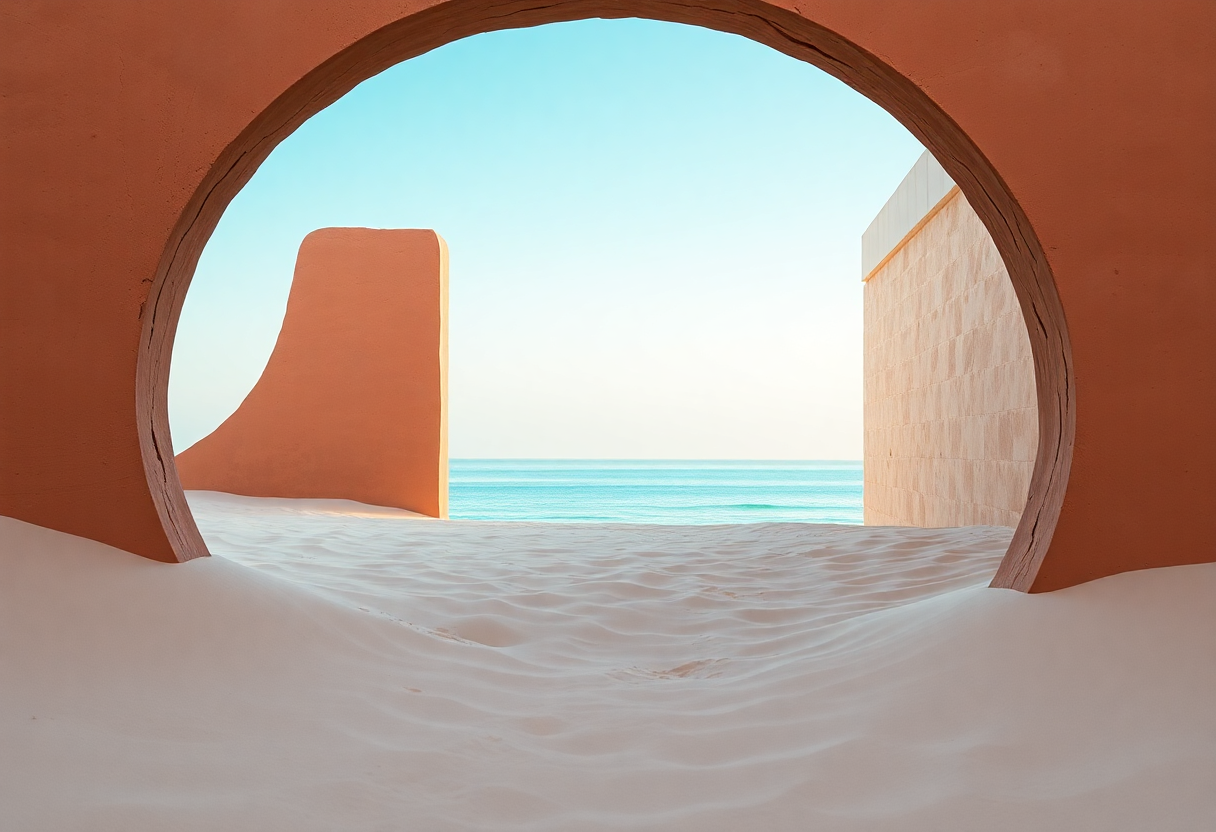
Exact English prompt sent
A sculptural terracotta arch on pale sand dunes, a calm turquoise sea visible through the opening, soft morning light, editorial architectural photography, tactile plaster, no text.The sea and terracotta framing are present, but the arch is tightly cropped and two extra wall forms appear beyond it. Use this as an imagined architectural mood, not documentation of a real destination. For a full freestanding arch, the next brief should request the entire structure with empty space around it; that alternative has not been tested here.
Load the tested prompt and settings →2. The everyday object
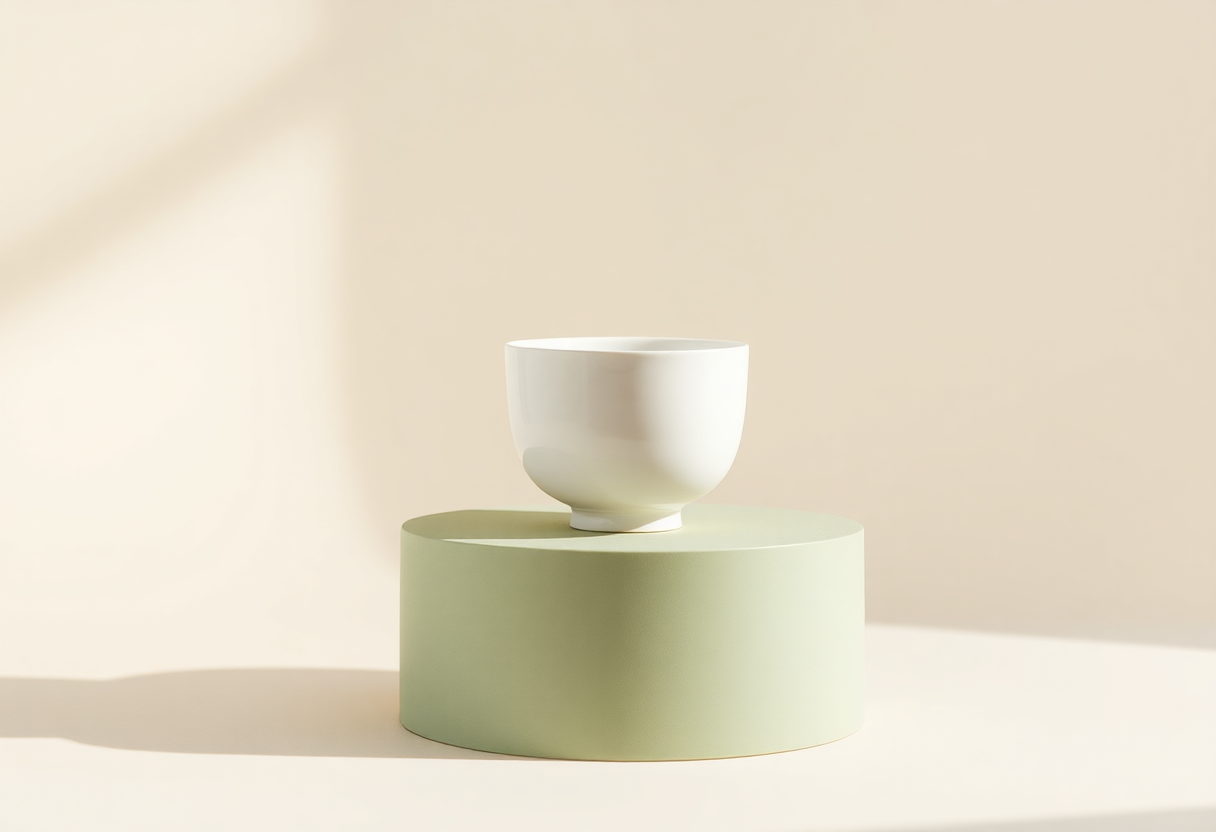
Exact English prompt sent
A single handmade ivory ceramic cup on a sage green plinth, warm off-white studio background, soft side lighting, subtle contact shadow, product photography, generous negative space, no logo.One ivory vessel sits on a green plinth with a visible contact shadow and ample background. There is no handle, and the foot is asymmetric. Keep it for a fictional ceramic concept only if those details suit the brief. It cannot establish the appearance or craftsmanship of a product for sale. The separate handle-revision case uses the earlier square source, not this new image.
Load the tested prompt and settings →3. After the rain
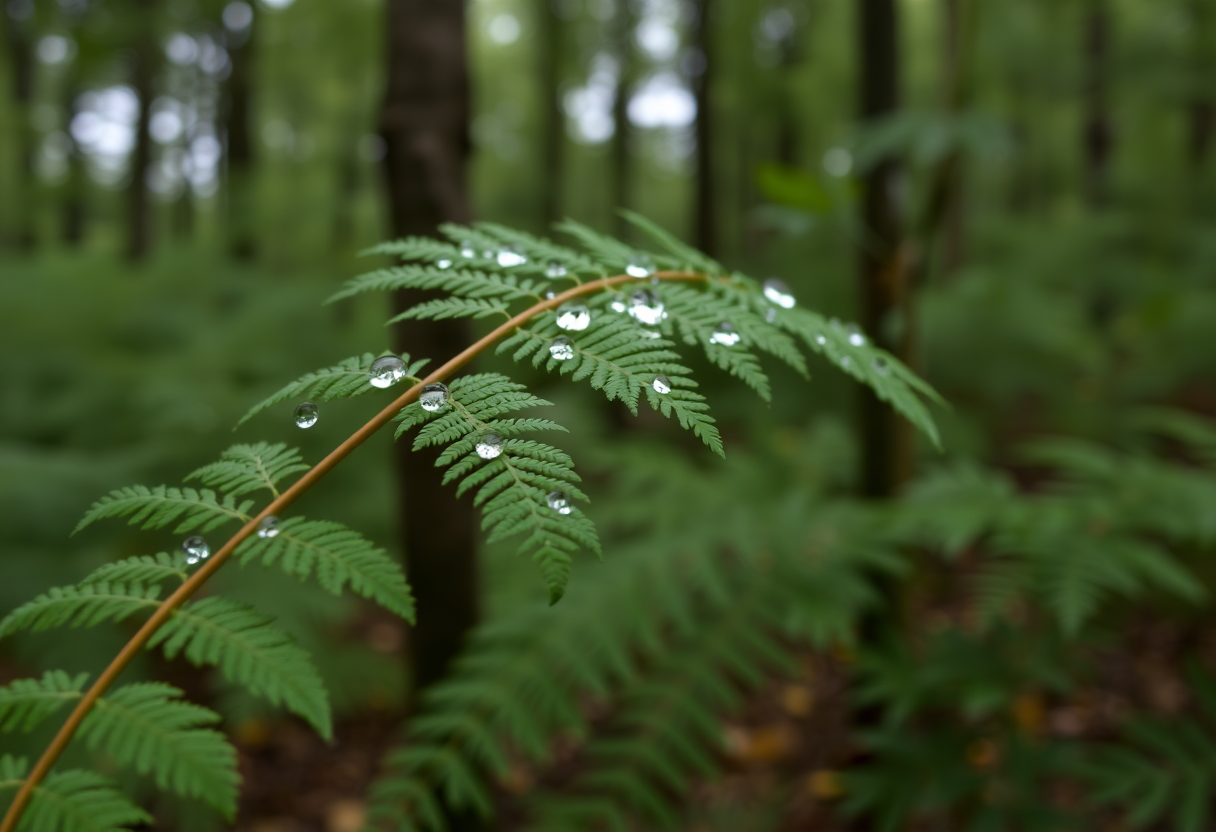
Exact English prompt sent
A close-up of a fern leaf with rain droplets in a quiet woodland, diffused overcast daylight, shallow depth of field, natural green colors, botanical photography, no text.The fern-like frond crosses the frame diagonally; droplets are visible and the woodland background is blurred. This can illustrate a general post about a rainy woodland mood. The oversized, glass-like droplets and invented leaflet details should not be presented as a botanical observation or used for species identification. Keep the main frond in a landscape layout; a narrow center crop loses the diagonal story.
Load the tested prompt and settings →4. A small, slow Sunday
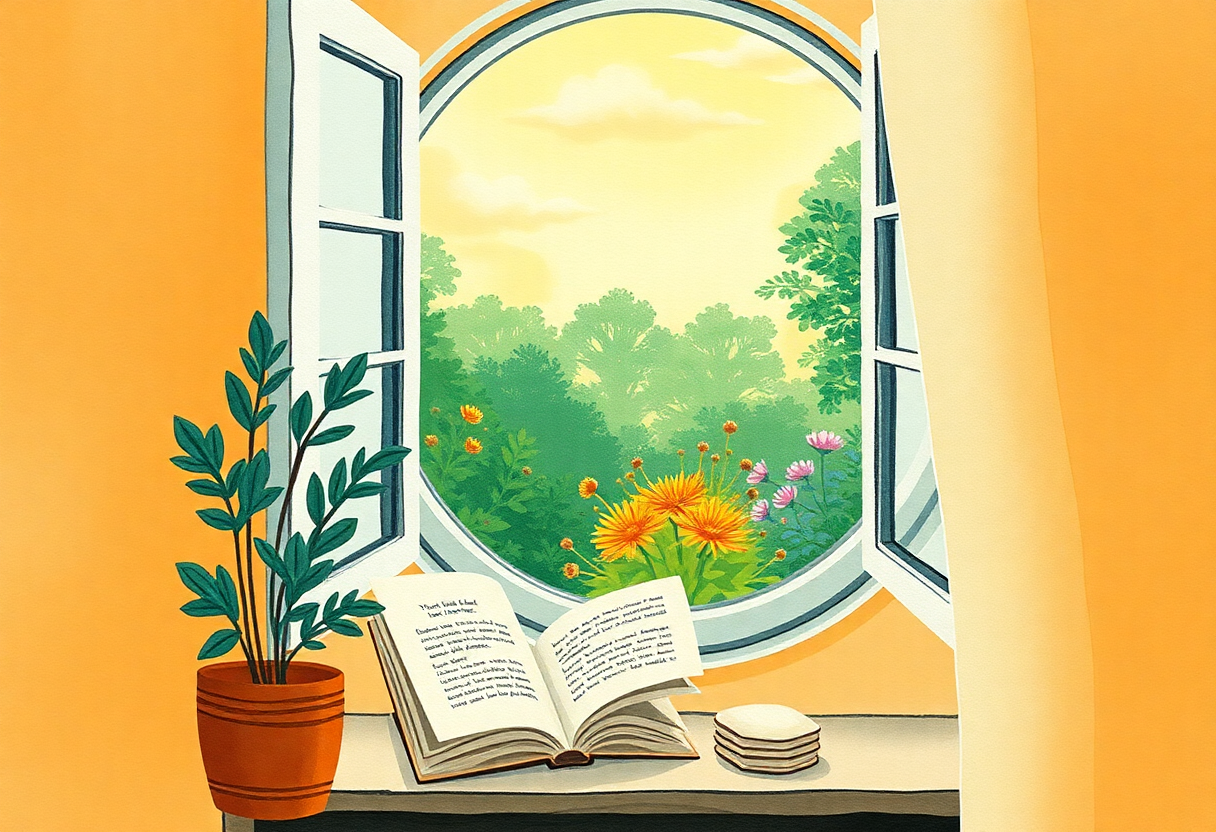
Exact English prompt sent
A tiny reading nook beside a round window overlooking a garden, hand-painted gouache illustration, warm ochre and muted teal palette, visible paper texture, peaceful afternoon, no lettering.The round window, garden, ochre and teal palette appear, but the open book contains visible pseudo-lettering despite “no lettering”. Reject this version for a strictly text-free brief. Resizing or compression cannot remove the unwanted marks. A next experiment could replace the open book with closed, unmarked books, but that proposed revision is not a demonstrated fix.
Load the tested prompt and settings →5. Citrus study
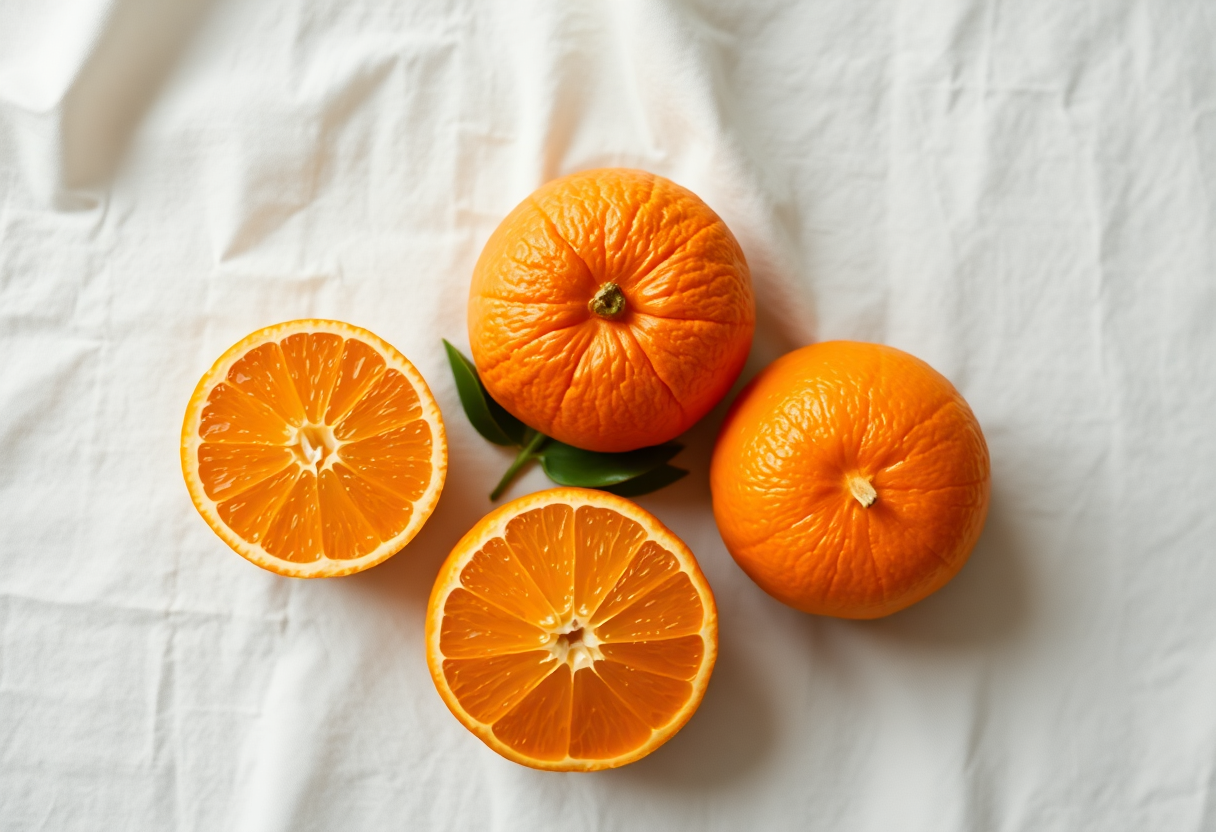
Exact English prompt sent
Three oranges and one cut half on a cream linen cloth, overhead still-life photography, gentle window light, crisp peel texture, restrained composition, no packaging or labels.The brief asked for three whole oranges plus one cut half. The saved result shows two whole oranges and two cut halves. The overhead view, cloth and peel texture are present, but the count fails. Do not caption this as a successful count-following example. For a recipe requiring exact quantities, use verified photography or edit and recount every visible piece.
Load the tested prompt and settings →6. Quiet geometry
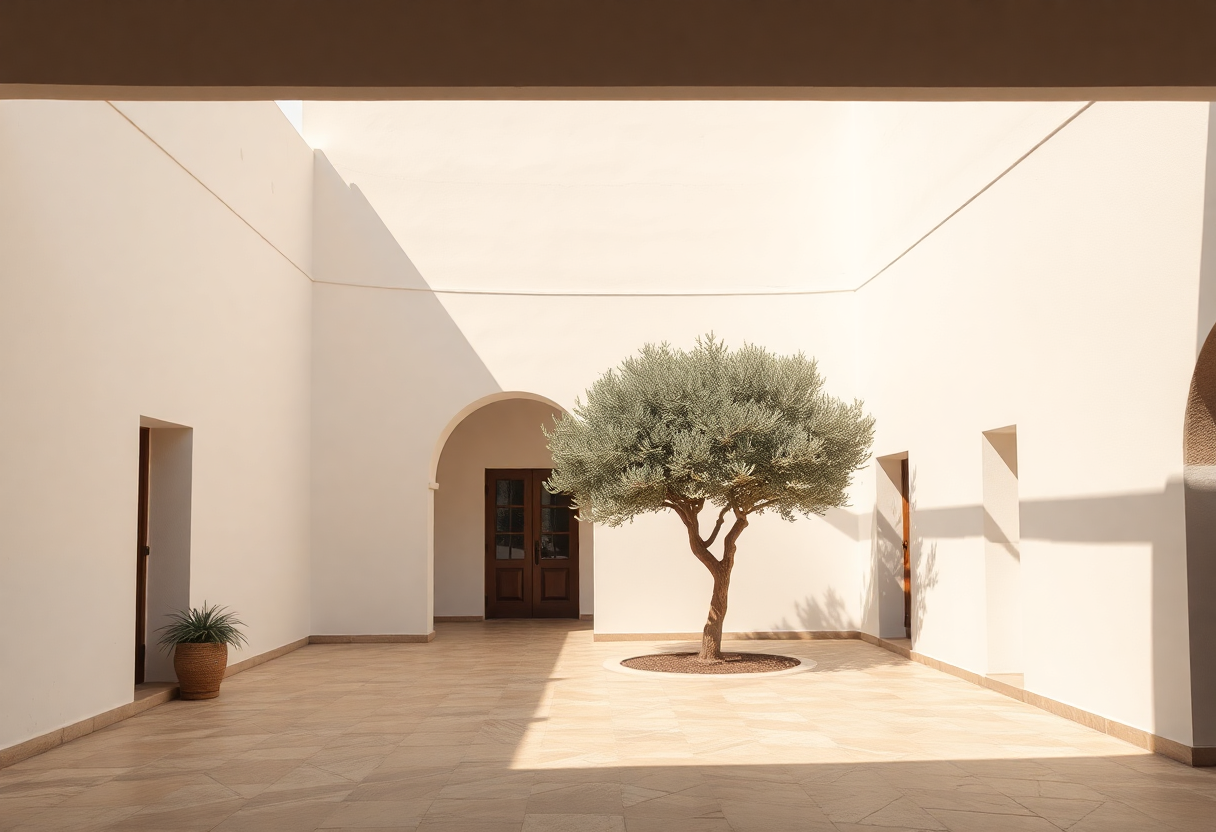
Exact English prompt sent
A sunlit courtyard with curved white walls and a single olive tree, limestone floor, architectural photograph at eye level, warm midday shadows, balanced negative space, no people.A single central olive-like tree, pale walls and stone floor are visible. Most walls are straight; the requested curved-wall character is only weakly represented by an arched doorway. It is useful as a fictional courtyard mood, not as a measured building plan or a photo of an available property. The broad floor gives layout space but also makes the tree smaller in mobile thumbnails.
Load the tested prompt and settings →Try this workflow
Use our saved 1024 × 1024 AI sample. No generation credit or file upload needed.
Open image tools ↗From idea to a published blog image
A practical path for blog authors and small website owners. Work with the saved sample, inspect the evidence, then apply the method to your own article.